Halloween Clipart Set: A Designer’s Embroidery Review
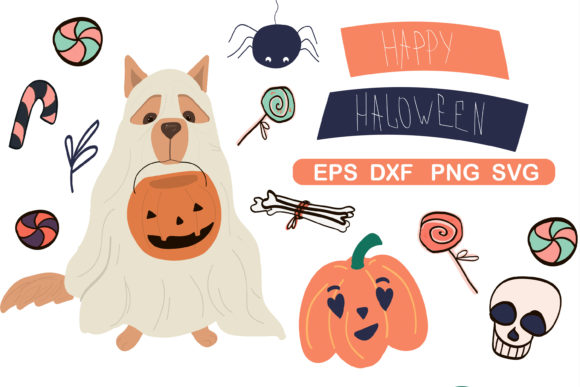
As an embroidery digitizer and product reviewer, I approach every new graphic collection with a specific question: will this actually stitch out well on fabric? When evaluating the Halloween Clipart Set, Halloween Paper collection, my focus shifts immediately from screen aesthetics to needle performance. This set features 31 graphic elements ranging from dogs and kids to pumpkins, branches, and mystic elements. While marketed as illustrations and graphics for paper crafts, the visual style suggests significant potential for textile applications. However, translating flat digital art into a tactile machine embroidery design requires careful consideration of line weight, detail density, and fabric interaction.
First Impressions: Whimsy Meets Stitch Reality
The initial mood of this Halloween Clipart Set, Halloween Paper is undeniably cute rather than scary. The characters have a soft, storybook quality that appeals strongly to the baby embroidery and children’s apparel market. Visually, the elements are distinct, which is a positive sign for digitizing. Cluttered clipart often results in muddy embroidery, but these individual assets—particularly the dog and pumpkin motifs—have clear silhouettes. For a craft business or Etsy seller, this aesthetic aligns perfectly with current trends favoring nostalgic, cozy holiday vibes over gore. As design assets, they offer versatility because they can be combined to create unique scenes or used individually as standalone accents.
Real-World Application: The Custom Sweatshirt Test
To truly judge this collection, I mentally placed it in a real production scenario: creating a custom embroidered sweatshirt for a boutique fall lineup. Sweatshirts are a staple for small shop product sales, but fleece presents challenges due to its texture and stretch. Using the "kids" and "branches" elements from this set, I envisioned a chest placement design. The organic shapes of the branches would work beautifully as a frame, while the character could serve as a focal point using an applique design technique to reduce stitch count and add fabric texture contrast.
In this sweatshirt embroidery context, the clipart’s line work dictates the digitizing strategy. If the original illustration has thin, sketchy lines, they must be reinforced during digitization to prevent sinking into the fleece pile. A standard running stitch might disappear; a double run or light satin stitch would be necessary for visibility. Conversely, the pumpkin elements likely have larger surface areas ideal for fill stitch patterns. This balance between outline and fill is what makes a finished product look professional rather than homemade. For an Etsy seller, this specific combination creates a high-perceived-value item that justifies a premium price point compared to generic vinyl transfers.
Navigating Fabric Limitations and Hoop Constraints
While the Halloween Clipart Set, Halloween Paper is versatile, not every element suits every substrate. Designers must be realistic about where these graphics perform best. The intricate "mystic elements" and detailed facial features on the characters require caution when working with textured fabrics like terry cloth towels or chunky knits. High-detail embroidery project files demand a smooth canvas; otherwise, fine details get lost in the weave. For tea towels or pillow covers, these detailed graphics are perfect. For bath towels or heavy canvas tote bags, you may need to simplify the design or increase the size significantly.
Hoop size is another critical factor. With 31 elements, there is temptation to combine too many into one composition. However, cramming multiple characters and branches into a small 4x4 hoop often leads to registration issues and excessive density. I recommend treating these as modular components. Use the dog element alone for a pocket-sized tote bag design, or pair a pumpkin with a single branch for a cap. Caps present their own challenge due to the curved surface; vertical elements like branches may distort unless properly compensated during digitization. Always verify that your chosen combination fits comfortably within your machine’s maximum sewing field before committing to a production run.
Commercial Viability and Brand Consistency
For creative entrepreneurs, consistency builds trust. This collection offers enough variety to create a cohesive holiday embroidery line without looking repetitive. The unified artistic style ensures that a personalized gift set featuring a bib, burp cloth, and blanket looks intentional. When selling commercial embroidery items, buyers look for this level of curation. The "cute" factor here also broadens the demographic; these designs are safe for school-aged children’s wear, unlike edgier Halloween graphics that parents might reject.
However, value extends beyond the stitch-out. These graphics are excellent for creating printable mockup listings. Before stitching a single sample, you can use the digital files to showcase potential colorways and layouts on digital apparel templates. This allows digital product sellers and makers to validate market interest before investing time in sampling. Just ensure that if you are selling the digital embroidery file itself, you have confirmed the licensing terms of the original clipart. Many clipart licenses cover physical end products but restrict reselling derivative digital files. Always check this distinction to protect your craft business.
Essential Technical Notes for Makers
Before loading this Halloween Clipart Set, Halloween Paper into your digitizing software or purchasing a pre-digitized version, adhere to these practical guidelines:
- Test on Scrap Fabric First: Never assume a design works on all materials. Test the "mystic elements" on a scrap of your intended dark fabric to ensure thread colors pop and details aren't lost.
- Evaluate Stitch Density: If combining elements, watch for overlapping dense areas. Excessive density causes puckering and needle breaks. Use software to visualize density maps before stitching.
- Check Thread Color Contrast: Halloween palettes often involve orange, black, and purple. On dark fabrics, black outlines vanish. Plan for high-contrast underlay or alternative outline colors to maintain definition.
- Stabilizer Selection Matters: For the "kids" elements on stretchy jersey knits, use a cut-away stabilizer to prevent distortion. For woven cottons in custom apparel, tear-away may suffice. Match stabilizer weight to the design complexity.
- Inspect Small Details: Zoom in on the source file. If lines are pixelated or blurry at 100% zoom, they will digitize poorly. Clean vector-like edges yield the best embroidery file results.
- Mockup in Black and White: Remove color to judge value contrast. If the design reads clearly in grayscale, it will translate well to thread regardless of specific color choices.
- Confirm Licensing: Specifically verify if the license permits commercial embroidery of finished goods versus digital redistribution. Document this for your business records.
Final Verdict for Embroidery Professionals
The Halloween Clipart Set, Halloween Paper offers a strong foundation for seasonal embroidery collections, provided it is treated as a starting point rather than a final stitch file. Its strength lies in its cohesive, family-friendly aesthetic and modular element count, allowing for extensive customization across handmade product categories. Whether you are producing embroidered patch sets, nursery decor, or boutique apparel, success depends on respecting the technical translation from pixel to stitch. By testing thoroughly, adjusting for fabric texture, and leveraging the set's mix-and-match potential, makers can transform these charming illustrations into profitable, high-quality embroidered goods that resonate with customers seeking authentic holiday spirit.