Blueberry Watercolor Cliparts for Embroidery
Evaluating Cottagecore Aesthetics for Real Stitch Projects
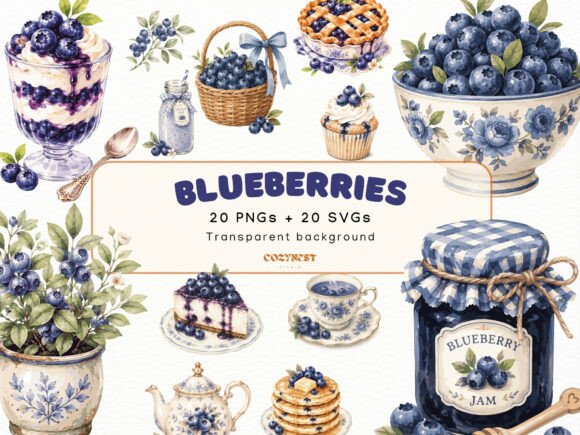
As an embroidery designer who has digitized and stitched countless fruit motifs, I approach watercolor graphics with a healthy dose of skepticism. We have all seen beautiful digital illustrations that turn into muddy, thread-heavy disasters once they hit the hoop. When I first examined this Blueberry Watercolor Cliparts, PNG SVG bundle, I was looking past the charming countryside aesthetic to see if these Illustrations could actually survive the transition from screen to fabric. The collection promises a feminine cottagecore vibe inspired by vintage fruit art and cozy kitchens, but for those of us running a craft business or creating personalized gifts, visual appeal is only half the battle. The real test is whether these Graphics translate into clean, professional embroidery without excessive stitch counts or lost detail.
The Tote Bag Test: From Digital Art to Finished Product
To truly evaluate this asset, I mentally placed it in a real-world production scenario: a custom embroidered tote bag for a boutique bakery client. This project requires a design that feels organic and handmade, not stiff or overly digitized. The soft edges of these blueberry cliparts are ideal for this application because they mimic the natural bleed of watercolor paint. However, when converting this type of machine embroidery design, the challenge lies in interpreting transparency. Unlike solid vector art, watercolor relies on layering. For the tote bag, I would avoid trying to replicate every brushstroke with complex fill stitches. Instead, I envision using these images as a guide for a hybrid approach. A light running stitch outline combined with open, textured fill stitches preserves the airy feel of the original artwork while keeping the stitch density manageable for unstructured canvas.
This specific use case highlights why checking your embroidery file conversion is critical. If you simply auto-digitize these PNGs, the machine may try to compensate for the watercolor gradients with dense satin stitches, resulting in a heavy, bulletproof patch that distorts the tote bag fabric. By treating the Blueberry Watercolor Cliparts, PNG SVG as artistic inspiration rather than a direct trace map, you maintain the delicate balance required for high-end custom apparel and accessories. The result is a product that looks intentionally designed for thread, rather than forced onto it.
Where These Designs Shine and Where to Pause
These illustrations naturally excel in projects that benefit from a softer, less rigid appearance. They are perfect candidates for baby embroidery on cotton onesies or nursery pillow covers where harsh outlines might feel too industrial. The rich blues and muted greens typical of this style pair beautifully with cream, oatmeal, and sage fabrics. For Etsy sellers focusing on wedding gifts or holiday embroidery, the vintage fruit theme offers immediate recognition and emotional resonance. Customers associate these visuals with warmth and nostalgia, which increases the perceived value of a handmade product.
However, practical judgment requires knowing where not to use these assets. I would exercise extreme caution if attempting to scale these down for small hoop sizes or cap embroidery. Watercolor details rely on subtle color shifts that disappear below two inches. On a curved surface like a hat, the necessary distortion can make delicate berry stems look broken. Similarly, dark fabrics pose a significant hurdle. Watercolor aesthetics depend on the fabric showing through the design to create depth. On navy or black material, you would need to lay down a white underlay base, which fundamentally changes the texture and weight of the design, potentially negating the "soft" selling point. For sweatshirt embroidery on fleece, ensure the pile doesn't swallow the finer details; a heavier stabilizer and slightly bolder interpretation of the source image may be necessary.
Technical Considerations for Commercial Makers
For creative entrepreneurs selling finished goods or digital assets, consistency is key to building buyer trust. When incorporating Blueberry Watercolor Cliparts, PNG SVG into your workflow, consider how the design interacts with different fabric textures. Linen and tea towels are forgiving and enhance the rustic look, while performance wear or shiny polyester may clash with the matte, vintage aesthetic. Before listing a new small shop product, always verify that your digitizing choices honor the integrity of the original illustration. If you are selling the digital embroidery file itself, provide clear notes on recommended stabilizers and skill level, as watercolor-style designs often require more nuanced tension adjustments than standard cartoons.
Furthermore, think about brand cohesion. If your shop specializes in crisp, modern corporate logos, introducing these soft, painterly berries might confuse your audience. Conversely, if you focus on personalized gifts and cottagecore decor, this bundle reinforces your niche authority. Always review licensing terms carefully before using these assets for commercial embroidery or reselling digitized versions. Protecting your business means ensuring you have the right to monetize the specific way you adapt these graphics.
Designer Notes for Successful Implementation
Based on my experience reviewing similar assets, here are practical steps to ensure success with this collection:
- Test on Scrap Fabric First: Never run a new watercolor conversion directly on a client’s garment. The interaction between thread sheen and fabric weave is unpredictable with painterly styles.
- Audit Stitch Density: Check your software’s density map. Watercolor effects should use variable density, not uniform fills. High-density areas will cause puckering on lightweight fabrics.
- Verify Thread Color Contrast: Print a physical color chart. Screen brightness often misrepresents how variegated or shaded threads will appear in natural light against your chosen textile.
- Create Printable Mockups: Use the original PNG files to create realistic digital previews for listings, but clearly label them as mockups. Customers appreciate seeing both the digital art and a photo of the actual stitched sample.
- Check Small Detail Legibility: If the clipart includes tiny leaves or stems, test if they hold up at your intended size. You may need to simplify elements for smaller embroidered patch applications.
- Stabilizer Selection Matters: For open, watercolor-style stitching, use a cut-away stabilizer to prevent distortion during washing, especially for tote bag design and apparel.
- Review Licensing for Derivatives: Confirm whether you can alter the image significantly for digitizing or if you must keep it intact. This affects how you market your design assets.
Final Thoughts on Value and Versatility
Ultimately, the Blueberry Watercolor Cliparts, PNG SVG bundle offers strong potential for makers who understand the translation process between digital art and needlework. It captures a specific, highly marketable mood that resonates with current trends in home decor and fashion. However, its success depends entirely on the user's willingness to adapt rather than merely copy. By respecting the limitations of thread and fabric, and by making intentional digitizing choices, you can transform these lovely illustrations into profitable, professional-grade embroidery projects. Whether you are crafting a signature apron line or expanding your digital catalog, approaching this asset with technical mindfulness ensures the final product retains all the charm of the original artwork.