Sewing Doodles Graphics & Illustrations Review
Evaluating Vintage Charm for Modern Handmade Branding
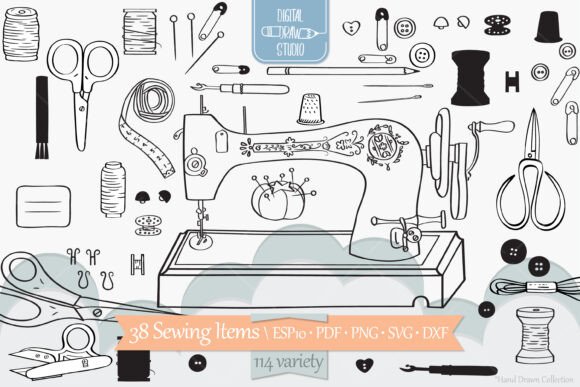
As a brand designer working with local artisans and boutique owners, I constantly search for graphic design assets that bridge the gap between nostalgic charm and modern commercial viability. When evaluating the Sewing Doodles Singer Machine, Buttons collection for a recent rebrand of a heritage textile shop and alteration studio, my first impression was one of authentic warmth. This is not a sterile, corporate vector set; it possesses the organic imperfection of hand drawn sewing tool drawings that immediately signals "handmade" to a customer. The mood is distinctly vintage yet accessible, suggesting a business that values tradition, craftsmanship, and personal attention. For small business branding, particularly in the maker economy, this aesthetic establishes an instant emotional connection that polished, minimalist graphics often fail to achieve.
The bundle offers significant versatility through its three distinct variations: 38 black outline, 38 black silhouette, and 38 black white versions. From a professional branding perspective, having these options is crucial. The outlines provide a delicate, editorial feel suitable for stationery and web design, while the silhouettes offer the bold contrast necessary for product packaging and signage where visual hierarchy is paramount. This variety allows a creative entrepreneur to maintain a consistent brand identity across different touchpoints without the visuals becoming monotonous or repetitive.
Strategic Applications in Packaging and Product Labels
In my experience designing for handmade businesses, the true test of any illustration set is how it performs on physical materials. For a local business selling tangible goods, packaging design is often the primary marketing channel. I found these doodles exceptionally effective as secondary elements on product labels. Rather than serving as the main focal point, they function beautifully as supporting textures that frame essential information like pricing, ingredients, or care instructions. For example, using the black outline scissors or thread illustrations as corner accents on a hang tag adds a layer of sophistication without competing with the logo design or brand name.
For promotional material use, such as thank-you cards or printable inserts included in shipping boxes, the black white variations shine. They add visual interest to unboxing experiences, reinforcing the premium nature of the purchase. In social media graphics, specifically Instagram stories or Pinterest pins promoting seasonal sales, the silhouette versions work best against colored backgrounds to create high-contrast marketing visuals that stop the scroll. The Singer machine illustration, in particular, serves as an excellent hero graphic for website banners or Etsy shop headers, instantly communicating the niche to visitors before they read a single word of copy.
Enhancing Customer Trust Through Visual Consistency
Professional branding is about more than just aesthetics; it is about building trust. When a local business uses cohesive design assets across their digital product listings, physical packaging, and editorial design, it signals reliability. These sewing doodles support that consistency by providing a unified visual language. A customer who sees the same needle and button motifs on a business card, a Facebook ad, and a clothing label subconsciously registers the brand as established and professional. This improved customer trust is vital for small sellers competing against mass-market retailers. The hand-drawn quality humanizes the brand, making the business owner feel approachable rather than corporate, which is a key differentiator for boutique stores and florists incorporating textile elements into their offerings.
Navigating Limitations and Design Hierarchy
While this asset pack is robust, a responsible designer must know where it does not belong. I would advise against using these detailed illustrations in formal corporate branding or luxury minimalist identities where negative space is the primary design element. The intricate nature of hand drawn sewing tool drawings can easily clutter a layout if not managed carefully. On very small labels, such as those used for jewelry or cosmetic samples, the detail may be lost during printing, resulting in muddy ink blobs rather than crisp lines. Similarly, avoid placing these graphics in legal information areas or ingredient-heavy layouts where readability is non-negotiable.
Visual hierarchy must always take precedence over decoration. If the doodles compete with important text or call-to-action buttons in web design or flyers, they have failed their purpose. They should enhance the message, not obscure it. For low-contrast backgrounds, stick to the solid black silhouette versions rather than the outlines to ensure legibility. Additionally, while these are perfect for textile-related niches, forcing them into unrelated categories like tech or finance would create cognitive dissonance for the consumer. Authenticity matters in local business branding, and the graphics must align with the actual product or service being offered.
Technical Pre-Press Checks for Commercial Use
Before committing this graphic design asset to a print run or client project, rigorous technical testing is mandatory. Always test the files on real packaging mockups at actual size. What looks detailed on a 27-inch monitor may disappear when printed at two inches on uncoated paper. Check the PNG transparency edges to ensure there are no jagged pixels or unwanted artifacts that could ruin a clean label design. If you are using Canva templates or other drag-and-drop tools, verify that the resolution remains sharp when scaled.
Typography pairing is another critical consideration. Test these illustrations beside various font styles to find the right balance. They pair naturally with serif fonts for a classic look or handwritten scripts for a personal touch, but may clash with certain geometric sans serifs. Most importantly, confirm the commercial license terms before using the assets for business branding or physical product sales. Understanding whether you can use the designs on merchandise for resale versus only for marketing visuals protects your business from legal issues. Whether sourced from a creative marketplace or a direct designer, verifying usage rights is the final step in professional asset evaluation.
Ultimately, Sewing Doodles Singer Machine, Buttons represents a valuable resource for creative entrepreneurs seeking to elevate their visual presence. By applying these illustrations strategically—respecting scale, hierarchy, and context—small business owners can transform generic packaging into memorable brand experiences. The combination of vintage nostalgia and practical format variety makes this collection a strong contender for anyone in the handmade, textile, or boutique space looking to strengthen their market position through thoughtful, intentional design.